
Quick answer: Regular house cleaning can help reduce damp smells in Surrey homes by removing moisture-trapping dirt, drying wet surfaces, cleaning carpets and upholstery, and preventing musty odours from building up in poorly ventilated areas. During the rainy season, wet shoes, damp clothing, condensation and limited ventilation can leave moisture inside entryways, bathrooms, laundry rooms and bedrooms. A consistent cleaning routine helps keep these areas fresher, but persistent damp smells should also be investigated for leaks, hidden moisture or mould.
Why Do Surrey Homes Develop Damp Smells During Rainy Weather?
A damp or musty smell often develops when moisture stays on surfaces, fabrics or in poorly ventilated spaces. Rainy weather can make the problem more noticeable because homeowners may keep windows closed, bring wet footwear indoors and dry clothes inside.
Common sources of damp smells include:
- Wet entryways: Rainwater and mud brought inside on shoes, boots and pet paws.
- Damp carpets and rugs: Moisture trapped in carpet fibres or underneath rugs.
- Bathroom surfaces: Water left around showers, tubs, tiles and grout.
- Laundry areas: Wet clothing and towels left in baskets or drying indoors.
- Window sills and frames: Condensation that collects and is not wiped away.
- Storage spaces: Poorly ventilated closets, cupboards and basements where damp fabrics or cardboard are stored.
Regular cleaning helps remove dirt, residue and moisture from these areas. However, if an odour continues after cleaning and drying, investigate the source rather than relying on fragrance sprays or repeated surface cleaning. Health Canada identifies leaks, condensation, inadequate ventilation and prolonged dampness as conditions that can contribute to indoor mould growth.
7 Cleaning Habits That Help Keep Damp Smells Away
1. Clean and Dry Entryways More Frequently
Entryways receive much of the moisture that enters a home during rainy weather. Wet shoes, umbrellas, jackets and pet paws can leave water and dirt on floors and mats.
To keep this area fresh:
- Remove wet footwear near the entrance.
- Shake out or wash washable entry mats regularly.
- Mop hard floors when water or mud accumulates.
- Wipe down door edges, baseboards and nearby surfaces.
- Allow wet umbrellas and jackets to dry in a suitable ventilated area.
Do not leave damp mats or footwear in a closed cupboard. Trapped moisture can create unpleasant smells even when the surrounding floor looks clean.
2. Vacuum Carpets and Rugs Before Dirt Builds Up
Carpets and area rugs can hold dirt, dust and moisture brought inside from outdoors. If wet footwear repeatedly crosses the same areas, the fibres may retain unpleasant odours.
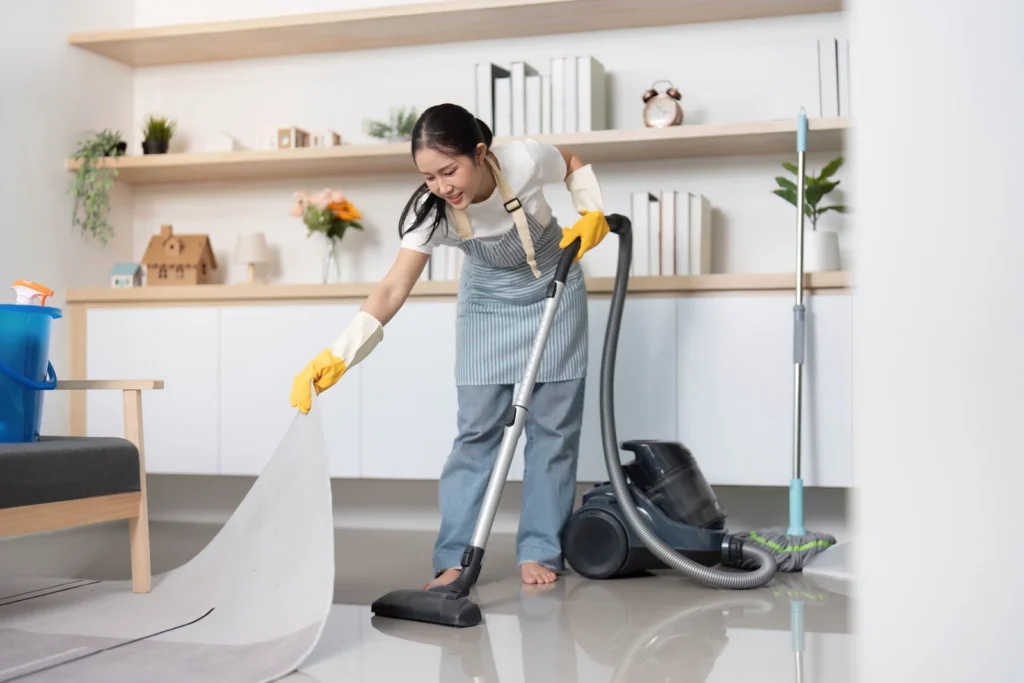
Vacuum high-traffic areas regularly, especially near entrances, hallways and living rooms. Lift movable rugs occasionally to check whether the floor underneath is dry.
If a carpet becomes wet, act promptly. Remove excess water where possible and dry the affected area thoroughly. If the carpet remains damp, develops a persistent musty smell or shows visible mould, routine vacuuming will not solve the underlying issue.
3. Give Bathrooms Extra Attention
Bathrooms naturally produce moisture through showers, baths and handwashing. During colder, wetter months, surfaces may take longer to dry if ventilation is limited.
Include these areas in your regular cleaning routine:
- Shower walls, doors and glass panels
- Bathtub edges and surrounding tiles
- Sink basins, taps and countertops
- Floor corners and areas behind the toilet
- Grout lines and accessible bathroom surfaces
- Exhaust fan covers and nearby dust-prone areas
After cleaning, dry wet surfaces with a clean cloth. Use the bathroom exhaust fan during showers and leave it running afterward to help remove moisture. Health Canada recommends keeping bathroom fans properly maintained and ensuring they vent outdoors.
4. Keep Laundry Areas Clean and Dry
Laundry rooms can contribute to indoor dampness when wet clothing, towels and cleaning cloths are left in enclosed spaces.
A few simple habits can help:
- Avoid leaving wet laundry inside the washing machine for extended periods.
- Empty damp laundry baskets regularly.
- Wipe moisture from the washer’s exterior and nearby surfaces.
- Check accessible hoses and connections for signs of leakage.
- Clean the dryer lint filter after each use.
- Make sure the dryer exhaust is clear and vents outdoors.
If clothes need to dry indoors, provide adequate airflow and avoid overcrowding the drying area. This helps prevent excess moisture from accumulating in the room.
5. Clean Window Sills, Frames and Condensation
Condensation can collect on windows when warm indoor air meets cold glass. If water remains on window frames and sills, it can contribute to dampness and surface deterioration.
During rainy weather, check windows regularly for:
- Water droplets along the glass edges
- Damp window sills
- Dirt collecting in window tracks
- Discolouration around frames
- Moisture near curtains or blinds
Wipe away condensation and clean window tracks so dirt does not accumulate. If water keeps appearing in the same location, check for possible leaks or ventilation problems instead of treating it as an ordinary cleaning issue.
6. Remove Dust and Dirt From Less-Visible Areas
Damp smells are not always coming from floors or carpets. Dust and debris can accumulate in areas that are overlooked during everyday cleaning.
Pay attention to:
- Behind and underneath furniture
- Baseboards and door frames
- Closet shelves and corners
- Under-sink cabinet surfaces
- Bedroom furniture and accessible upholstery
- Air vents and reachable light fixtures
Vacuum carpets and upholstery with suitable equipment, preferably a vacuum fitted with a HEPA filter. Health Canada recommends regular vacuuming and cleaning to help improve indoor air quality.
Canada
7. Avoid Covering Damp Smells With Air Fresheners
Room sprays, scented candles and fragrance products may temporarily mask an unpleasant smell, but they do not remove the moisture causing it.
Instead, identify the affected area, clean suitable surfaces and allow them to dry completely. If the smell returns, check whether moisture is entering through a leak, condensation or inadequate ventilation.
A clean-smelling home should come from addressing the source of the odour, not simply adding another fragrance.
Which Areas Should Surrey Homeowners Include in a Rainy-Season Cleaning Routine?
A room-by-room approach makes it easier to maintain consistency without overlooking moisture-prone spaces.
| Home Area | What to Clean | What to Check |
| Entryway | Floors, mats, door edges and nearby surfaces | Wet shoes, umbrellas and trapped moisture |
| Living room | Carpets, rugs, upholstery and baseboards | Damp fabric and dirt in high-traffic areas |
| Bathroom | Shower, tiles, sink, toilet and floor | Condensation, leaks and poor ventilation |
| Kitchen | Counters, sink, cabinets and floor | Water around plumbing and under-sink storage |
| Laundry room | Washer exterior, baskets and floor | Damp clothes, blocked dryer vent and leaks |
| Bedrooms | Floors, accessible furniture and fabrics | Condensation near windows and damp textiles |
| Basement | Accessible floors, shelves and stored items | Musty smells, water stains and damp cardboard |
This checklist can be adjusted according to the size of the home, household activity and how frequently different areas become wet.
Can Regular Cleaning Alone Eliminate Damp Smells?
Not always. This is an important distinction for homeowners.
Cleaning can remove surface dirt, food residue, dust and other materials that contribute to unpleasant odours. It can also help keep moisture-prone surfaces cleaner and make it easier to notice developing problems.
However, persistent damp smells may indicate:
- A leaking pipe or plumbing connection
- Water entering through a window, roof or foundation
- Moisture trapped beneath flooring or behind walls
- Poor bathroom or kitchen ventilation
- Damp insulation or other concealed building materials
- Visible or hidden mould growth
Health Canada recommends identifying and correcting the underlying moisture source. Large areas of mould, recurring growth or strong musty odours without an obvious cause may require assessment by a qualified professional. Ordinary house cleaning should not be presented as mould remediation.
Canada+1
When Can Professional Residential Cleaning Help?
Keeping up with floors, bathrooms, kitchens, carpets and frequently used surfaces can become difficult when the household has a busy schedule. A planned cleaning routine can help maintain these areas and prevent everyday dirt from accumulating.
For homeowners who need additional support, residential cleaning Surrey services can help with regular home maintenance, occasional cleaning and seasonal deep cleaning.
The right cleaning schedule depends on household size, pets, foot traffic and how quickly different rooms become dirty. Weekly, bi-weekly or monthly appointments may suit different homes and cleaning needs.
When comparing a cleaning company Surrey homeowners can rely on, look at the services offered, cleaning frequency, service coverage and whether the cleaning plan can be adjusted to your household’s needs.
Keep Your Surrey Home Fresh With a Consistent Cleaning Routine
Rainy weather can make it harder to keep floors, carpets, bathrooms and frequently used surfaces clean. A consistent house cleaning Surrey routine helps manage everyday dirt, remove moisture from washable surfaces and keep living spaces more comfortable throughout the wetter months.
For additional help maintaining your home, Miss Milly Cleaning Services to discuss regular cleaning or a seasonal deep clean. The company offers residential cleaning in Surrey, including scheduled weekly, bi-weekly and monthly services, as well as occasional and seasonal cleaning. Visit the residential cleaning services page or contact Miss Milly Cleaning Services to request a quote and discuss your home’s cleaning needs.
Frequently Asked Questions
Why does my Surrey home smell musty even after cleaning?
A musty smell can come from moisture trapped in carpets, rugs, upholstery, closets or poorly ventilated rooms. It may also indicate a hidden leak or mould growth. If the smell returns after cleaning and drying, investigate the source of moisture.
How often should I clean carpets during Surrey's rainy season?
Vacuum high-traffic carpeted areas regularly, particularly entryways and hallways. Clean spills promptly and dry wet areas thoroughly. Professional carpet cleaning may be useful when carpets have accumulated significant dirt, but persistent dampness needs to be addressed separately.
What is the best way to keep entryways from smelling damp?
Remove wet footwear, clean washable mats, mop hard floors and allow jackets and umbrellas to dry with adequate airflow. Avoid storing wet items in closed cupboards or leaving damp mats on the floor.
Can poor bathroom ventilation cause damp smells?
Yes. Moisture from showers and baths can remain on walls, floors and other surfaces when ventilation is inadequate. Use an exhaust fan during and after bathing, clean bathroom surfaces regularly and investigate recurring condensation or musty odours.
Does regular residential cleaning prevent mould growth?
Regular cleaning helps remove dirt and keep surfaces maintained, but it cannot guarantee mould prevention. Controlling moisture, repairing leaks, maintaining ventilation and drying wet materials promptly are also essential. Extensive or recurring mould should be assessed by a qualified professional.
