
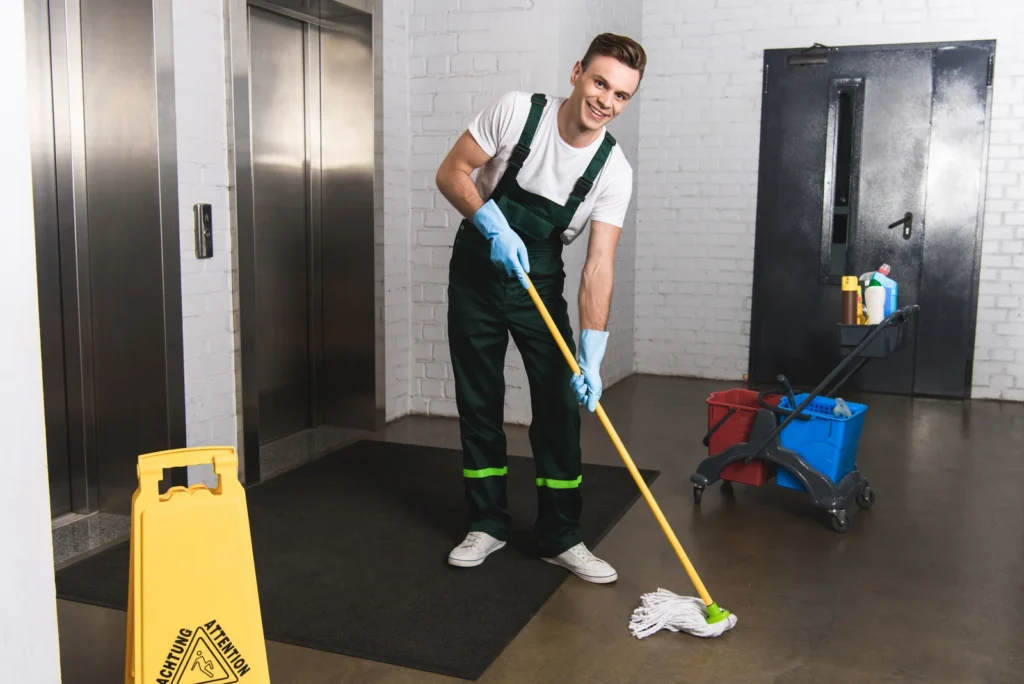
Winter weather can create additional cleaning challenges for businesses across Surrey. As temperatures drop and rainfall increases, commercial buildings often experience changes in indoor traffic patterns. Employees, customers, delivery personnel, and visitors spend more time inside, placing additional pressure on reception areas, corridors, washrooms, shared workspaces, and flooring.
For businesses, maintaining a clean workplace during winter is not simply about increasing the number of cleaning visits. It requires a structured approach that accounts for occupancy levels, frequently touched surfaces, changing hygiene requirements, and the condition of different indoor spaces.
A well-planned commercial cleaning strategy helps Surrey businesses maintain professional environments, support employee comfort, and provide a positive experience for visitors throughout the winter season.
1. Identify High-Traffic Areas That Require More Frequent Cleaning
When winter weather keeps more people indoors, certain commercial spaces experience heavier daily use. Reception areas, meeting rooms, hallways, elevators, and shared kitchens may become noticeably dirtier than less frequently used sections of a building.
Instead of applying the same cleaning schedule throughout the property, businesses should identify areas where increased foot traffic creates additional maintenance demands.
Important areas to monitor include:
- Reception desks and visitor waiting areas.
- Main corridors and elevator entrances.
- Shared meeting rooms and conference spaces.
- Employee kitchens and break rooms.
- Washrooms and frequently used common facilities.
Businesses looking for Commercial Cleaning Surrey can benefit from cleaning schedules designed around actual building activity rather than fixed routines that overlook changing occupancy patterns.
2. Establish Clear Cleaning Standards for Different Business Areas
Not every commercial area requires the same cleaning approach. An office reception area, employee kitchen, retail workspace, and washroom have different hygiene requirements and usage patterns.
Creating clear cleaning standards helps ensure that each space receives appropriate attention.
| Commercial Area | Main Cleaning Priority | Recommended Cleaning Focus |
| Reception | Professional appearance | Countertops, seating, floors, and glass surfaces |
| Workstations | Workplace hygiene | Desks, shared equipment, and touchpoints |
| Meeting rooms | Shared-space cleanliness | Tables, chairs, and frequently handled surfaces |
| Washrooms | Sanitation | Fixtures, sinks, toilets, and high-touch surfaces |
| Staff kitchens | Food-area hygiene | Countertops, appliance exteriors, and floors |
| Corridors | Safe and clean access | Flooring, corners, and visible debris |
These standards should be documented and communicated to cleaning teams so that tasks remain consistent even when building activity changes.
3. Pay Attention to Frequently Touched Surfaces
Increased indoor activity means that shared surfaces are used more frequently. Door handles, elevator buttons, handrails, reception counters, light switches, and shared appliances can require additional cleaning attention.
Businesses should identify frequently handled surfaces and establish suitable cleaning intervals based on their usage.
A practical approach includes:
- Creating a high-touch surface inventory for the property.
- Establishing cleaning frequencies for shared equipment and contact points.
- Using appropriate products according to surface materials.
- Following manufacturer instructions for disinfectants and cleaning solutions.
- Maintaining cleaning records to verify completed tasks.
Professional cleaning teams can help businesses implement consistent procedures without overlooking smaller but frequently used areas.
4. Maintain Commercial Flooring Under Increased Winter Foot Traffic
Commercial flooring often experiences additional wear during winter because people bring outdoor debris, moisture, and dirt into buildings. This can affect the appearance of entrances, hallways, reception spaces, and shared work areas.
Different flooring materials require different cleaning methods. Carpeted areas may need more frequent vacuuming and periodic deep cleaning, while hard floors require suitable products and methods that do not leave slippery residue.
Businesses should consider:
- Reviewing floor-cleaning frequencies based on occupancy.
- Removing dirt before it becomes embedded in carpet fibres.
- Using suitable cleaning techniques for tile, vinyl, stone, and other surfaces.
- Checking entrance and corridor flooring for visible damage.
- Addressing spills and wet-floor conditions promptly.
A professional cleaning schedule should balance appearance, surface protection, and safe movement throughout the property.
5. Improve Washroom and Shared Facility Maintenance
During colder months, employees and visitors may spend more time using shared indoor facilities. Washrooms, kitchens, and staff break rooms can therefore require closer attention.
Inconsistent cleaning in these areas can affect workplace comfort and the overall impression of a business.
A structured maintenance routine should include:
- Cleaning and sanitising appropriate washroom fixtures.
- Monitoring soap, paper towel, and toilet paper supplies.
- Cleaning shared kitchen countertops and appliance exteriors.
- Removing waste before bins become overloaded.
- Checking floors, sinks, and frequently handled surfaces.
- Reporting plumbing or fixture issues that require repair.
Businesses can maintain more reliable hygiene standards by combining routine cleaning with regular inspections of shared facilities.
6. Adjust Cleaning Schedules Around Business Operations
A cleaning schedule should support daily business activities rather than interrupt them. Winter foot traffic may create new requirements, particularly for retail locations, office buildings, professional facilities, and customer-facing businesses.
For example, a busy reception area may need attention throughout operating hours, while private offices may be better suited to after-hours cleaning.
When arranging Professional Cleaning Services Surrey, businesses should consider:
- Operating hours and employee schedules.
- Peak visitor and customer periods.
- Areas that require daytime cleaning.
- Tasks that can be completed after business hours.
- Special cleaning requirements for shared facilities.
- Seasonal changes in building occupancy.
A flexible schedule allows cleaning activities to remain effective while minimising disruption to employees, customers, and visitors.
7. Use Cleaning Inspections to Maintain Consistent Results
A cleaning plan is only effective when businesses can verify that the required standards are being maintained. Regular inspections help identify overlooked areas, recurring cleaning concerns, and tasks that may need adjustment.
Property managers and business owners can introduce a simple quality-control process that includes:
- Scheduled inspections: Review important commercial areas at consistent intervals.
- Task verification: Check whether assigned cleaning activities have been completed.
- Issue reporting: Document recurring concerns such as neglected surfaces or flooring problems.
- Corrective action: Communicate any required improvements to the cleaning team.
- Performance reviews: Reassess cleaning frequencies as occupancy and business requirements change.
Working with an experienced cleaning company Surrey can help businesses establish more organised cleaning routines and maintain accountability across different commercial spaces.
8. Plan for Changing Winter Cleaning Requirements
Winter cleaning requirements can change throughout the season. Increased indoor occupancy, holiday business hours, staff schedules, and seasonal events may all influence how frequently commercial spaces need attention.
Businesses should review their cleaning arrangements before these changes create additional pressure on daily operations.
A proactive winter cleaning plan should account for:
- Expected changes in employee and visitor numbers.
- Additional cleaning requirements during busy business periods.
- Periodic deep cleaning of heavily used areas.
- Cleaning supply availability.
- Special requirements for temporary events or extended operating hours.
Planning gives businesses greater control over cleaning priorities and helps prevent inconsistent standards during demanding periods.
How Miss Milly Cleaning Services Helps Surrey Businesses Maintain Cleaner Workspaces
Maintaining consistent cleanliness during winter requires reliable cleaning support, clearly defined service expectations, and a schedule that reflects how commercial spaces are actually used. Businesses should not have to wait until visible dirt or hygiene concerns appear before addressing their cleaning requirements.
Miss Milly Cleaning Services provides professional cleaning solutions for commercial properties, helping businesses maintain organised, hygienic, and welcoming workplaces. From regularly used office areas to shared facilities and high-traffic spaces, professional cleaning support can help maintain consistent standards throughout the winter season.
If your business needs dependable commercial cleaning support, contact Miss Milly Cleaning Services to discuss your property requirements and arrange a cleaning plan suited to your workplace, operating hours, and maintenance priorities.
Frequently Asked Questions
Why do Surrey businesses need more frequent cleaning during winter?
Winter weather can increase indoor foot traffic and bring additional dirt, moisture, and debris into commercial buildings. Frequently used areas may therefore require more regular cleaning and inspection.
Which areas of a commercial building should receive priority during winter?
Reception areas, entrances, hallways, washrooms, shared kitchens, elevators, and meeting rooms generally require closer attention because they experience regular employee and visitor activity.
How can businesses maintain consistent cleaning standards across multiple workspaces?
Businesses can establish written cleaning schedules, define area-specific hygiene requirements, conduct regular inspections, and maintain records of completed cleaning activities.
Should commercial offices schedule cleaning during or after business hours?
The ideal schedule depends on workplace operations. High-traffic areas may need daytime attention, while private offices, meeting rooms, and other spaces can often be cleaned after business hours to minimise disruption.
What should businesses consider when hiring a commercial cleaning company in Surrey?
Businesses should evaluate service coverage, cleaning procedures, scheduling flexibility, staff experience, quality-control practices, and the ability to accommodate their property's specific requirements.
